

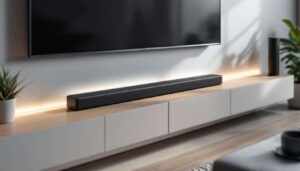


IKEA, a brand long synonymous with flat-pack furniture and Swedish meatballs, has quietly and methodically built a formidable presence in the smart home arena. What began as a tentative entry with a few smart bulbs has blossomed into a comprehensive ecosystem of connected devices designed with the company’s core principles in mind: affordability, design, and accessibility for the many. This expansion warrants a closer look, moving beyond individual product reviews to assess the ecosystem as a whole. After extensive testing of the entire range, from lighting and sound to air purification and automated blinds, a detailed analysis reveals not only the strengths and weaknesses of the system but also pinpoints the one device that truly encapsulates the brand’s smart home ambition.
Discovering IKEA’s range of smart gadgets
The gateway: the heart of the system
At the core of IKEA’s connected ecosystem is the hub, or gateway. The original Trådfri gateway served as the initial brain, translating commands from the app into actions for the devices. However, the newer Dirigera hub represents a significant leap forward. It’s the central nervous system that connects all your IKEA smart products to each other and to the internet. Without it, you’re limited to simple point-to-point controls with a remote. The hub is what unlocks the “smart” features: scheduling, scene creation, and, most importantly, out-of-home control via the mobile application. Its setup is straightforward, plugging directly into your home’s router, and it lays the groundwork for a stable and responsive system.
The IKEA home smart app: a unified control center
The companion IKEA home smart app is the user-facing command center for the entire system. Early versions of the app were functional but lacked polish. Today, the application is far more robust and user-friendly. It allows for the easy addition of new devices, the creation of rooms for better organization, and the configuration of “scenes” that control multiple devices with a single tap. For example, a “movie night” scene could dim the lights, lower the blinds, and turn on a lamp speaker. The interface is clean and aligns with IKEA’s minimalist design ethos, making it approachable for users who may be new to smart home technology.
Expansion and compatibility
The sheer breadth of the product line is impressive and continues to grow. IKEA has moved strategically from a single category into a multi-faceted offering that covers nearly every aspect of the modern home. The ecosystem now includes a wide variety of devices designed to work together seamlessly.
- Smart lighting (bulbs, panels, drivers)
- Automated blinds (roller and cellular)
- Smart speakers and audio furniture
- Air purifiers (standalone and integrated into furniture)
- Smart plugs and wireless chargers
- Wireless remotes, dimmers, and shortcut buttons
This expansion shows a clear commitment to building a holistic smart home solution rather than just selling standalone gadgets. Having established the foundation of the system, it’s logical to examine its original and most developed category: the lighting that started it all.
Smart lights: efficiency and design
Trådfri bulbs: variety and affordability
IKEA’s entry point into the smart home market was its Trådfri line of smart bulbs, and they remain a cornerstone of the ecosystem. Their primary advantage is cost-effectiveness. They significantly undercut many competitors, making it affordable to outfit an entire home with smart lighting. The range includes bulbs with different fittings, from the standard E26 to smaller candelabra and GU10 spotlight bulbs. They come in several varieties, from simple dimmable white to white-spectrum bulbs that can shift from warm to cool white, and full-color bulbs that offer millions of hues. This variety ensures there’s a solution for almost any fixture or mood.
| Bulb Type | Key Feature | Typical Lumen Output | Price Point |
|---|---|---|---|
| Trådfri White Dimmable | Simple dimming | 800-1000 lm | Low |
| Trådfri White Spectrum | Adjustable color temperature | 800-1000 lm | Medium |
| Trådfri Color and White | Full color spectrum | 600-800 lm | Medium-High |
Light panels and integrated lighting
Beyond simple bulbs, IKEA leverages its furniture design expertise with more integrated lighting solutions. The Floalt light panels, for example, can be mounted on walls or ceilings to create large surfaces of diffuse, customizable light, effectively serving as a form of architectural lighting. Furthermore, IKEA offers smart drivers and power supplies that can turn their non-smart cabinet and drawer lighting strips into fully integrated parts of the smart home system. This is a key differentiator, allowing for a clean, built-in look that standalone bulbs from other brands cannot easily replicate.
Control options: beyond the app
A smart home can quickly become frustrating if you always need to find your phone to turn on a light. IKEA understands this and offers an excellent range of physical remote controls. There’s the simple Styrbar remote, a wireless dimmer puck, and motion sensors that can trigger lights automatically. Perhaps most useful is the shortcut button, a small, simple button that can be programmed to trigger any scene. Placing one by the front door to activate a “goodbye” scene that turns off all lights is a prime example of its practical convenience. These physical controls make the smart system feel more natural and accessible to everyone in the household, regardless of their tech-savviness. While lighting enhances the visual atmosphere of a home, IKEA has also made significant inroads into shaping its auditory environment.
Audio systems: an immersive experience
The Symfonisk collaboration with Sonos
One of the smartest moves IKEA made was not trying to build an audio ecosystem from scratch. Instead, they partnered with Sonos, a leader in multi-room wireless audio. The result is the Symfonisk line, a series of products that contain genuine Sonos technology inside an IKEA-designed shell. This means users get the legendary sound quality, stability, and app experience of Sonos, including access to all major streaming services and the ability to group speakers, at a price point generally lower than Sonos’s own branded products. It’s a collaboration where the customer truly wins.
Product deep dive: bookshelf speaker and table lamp
The initial Symfonisk products, the bookshelf speaker and the table lamp speaker, perfectly illustrate the concept. The bookshelf speaker is a versatile unit that can be placed horizontally, stood vertically, or even mounted on a wall and used as a small shelf. The table lamp combines a light source and a powerful speaker into a single, elegant unit, reducing clutter on a nightstand or side table. The sound quality on both is remarkable for their price, delivering a rich, clear audio experience that far exceeds what one would expect from a typical “smart speaker” in this range.
Sound performance and integration
Because they are functionally Sonos speakers, Symfonisk products integrate seamlessly into an existing Sonos system or can be used to start a new one. Two bookshelf speakers can be paired in stereo for a more immersive listening experience or even used as rear surround speakers in a Sonos home theater setup. This deep integration is a massive advantage, offering a level of quality and expandability that is rare in store-brand electronics. This focus on practical, dual-purpose design extends beyond audio into other accessories that provide daily comfort and convenience.
Innovative accessories for daily comfort
Fyrtur and Kadrilj smart blinds
The Fyrtur (blackout) and Kadrilj (light-filtering) smart blinds are among IKEA’s most ambitious smart products. They are battery-powered, fully wireless roller blinds that can be controlled via a remote or the app. The ability to schedule blinds to open with the sunrise or close automatically at dusk adds a touch of luxury and convenience previously reserved for expensive custom installations. While the initial setup requires some careful measuring and installation, the payoff in terms of light control, privacy, and home automation is significant. Waking up to gradually opening blinds is a far more pleasant experience than a jarring alarm clock.
Smart plugs and air purifiers
IKEA’s smart plugs, named Tretakt, are the unsung heroes of the ecosystem. They allow you to integrate non-smart devices into your smart home. Anything from a simple fan to holiday lights can be plugged in and then controlled and scheduled through the IKEA app. Potential uses are nearly endless:
- Turning on a coffee maker from your bed.
- Setting a schedule for an electric radiator.
- Controlling decorative lighting with a single tap.
The brand has also entered the air quality market with its Starkvind air purifier, cleverly integrated into a side table, and the more traditional Förnuftig standalone unit. Both can be controlled via the app, with fan speeds adjusting automatically based on air quality readings, ensuring a healthier home environment. Having explored the hardware itself, understanding how it connects to the broader world of smart technology is the final piece of the puzzle.
Integration with other smart home platforms
Compatibility with major assistants
A modern smart home ecosystem cannot exist in a vacuum. IKEA has ensured its system is compatible with the three major smart home platforms: Amazon Alexa, Google Assistant, and Apple HomeKit. This integration is enabled through the Dirigera hub and allows users to control their IKEA devices using voice commands. Asking your preferred assistant to “turn on the living room lights” or “set the bedroom lamp to 50 percent” becomes second nature and deeply integrates the IKEA products into a user’s existing tech habits. This cross-platform compatibility is essential for widespread adoption.
The role of the Dirigera hub and Matter
The new Dirigera hub is more than just an update; it’s a strategic move to future-proof the entire system. Its most important feature is its built-in support for Matter, the new universal smart home standard. Matter is an industry-wide protocol backed by Apple, Google, Amazon, and others, designed to make devices from different manufacturers work together seamlessly. By adopting Matter, IKEA is ensuring that its products will remain relevant and interoperable for years to come. This commitment shows a long-term vision that gives consumers confidence when investing in the ecosystem. It’s a game-changing feature that elevates IKEA from a closed system to an open and collaborative platform. After this exhaustive review of the components, the ecosystem, and its forward-looking strategy, one product emerges as the clear standout.
Our favorite: the must-have device
The contenders
Several devices make a strong case for the top spot. The Trådfri lighting system is compelling for its sheer affordability and accessibility, making it the perfect entry point for smart home beginners. The Fyrtur smart blinds offer a “wow” factor and a level of convenience that feels futuristic yet practical. The Dirigera hub itself is a contender for its crucial role in enabling Matter and future-proofing the entire lineup. However, one product manages to perfectly synthesize technology, design, and value in a way that is uniquely IKEA.
Why the Symfonisk picture frame speaker stands out
The best device in IKEA’s smart home arsenal is the Symfonisk picture frame with Wi-Fi speaker. This product is a masterclass in functional design. It is, first and foremost, a very capable Sonos speaker, delivering rich, room-filling sound. But its genius lies in its form factor. It is designed to be hung on a wall like a piece of art, with interchangeable front panels that allow you to customize its look to match your decor. It solves a common problem: where to place a speaker without creating visual clutter. The picture frame speaker simply disappears into the room’s design, becoming part of the furniture.
Unmatched value and aesthetics
This device perfectly embodies the IKEA philosophy. It merges high-quality technology from a respected partner with clever, space-saving design at an accessible price. It isn’t just a gadget; it is a piece of home furnishing that also happens to play music beautifully. It delivers an experience that feels more expensive than it is, providing both auditory and aesthetic value. No other product in the lineup so elegantly hides its technology in plain sight, making the smart home feel less about wires and plastic and more about a comfortable, seamless living environment.
| Product | Primary Function | Secondary Function | Key Advantage |
|---|---|---|---|
| Standard Sonos Speaker | High-quality audio | N/A | Audio performance |
| Standard Wall Art | Visual decoration | N/A | Aesthetics |
| Symfonisk Picture Frame | High-quality audio | Visual decoration | Perfect synthesis of both |
IKEA’s journey into the smart home is a resounding success, built on a foundation of affordability, thoughtful design, and strategic partnerships. The entire range, powered by the future-proof Dirigera hub, offers a compelling and accessible ecosystem for anyone looking to make their home smarter. While the lighting provides the entry point and the blinds add a touch of magic, it is the Symfonisk picture frame speaker that stands as the ultimate achievement. It perfectly merges technology and home decor, creating a product that is more than the sum of its parts and truly exemplifies the principle of a smarter, more beautiful home for everyone.