


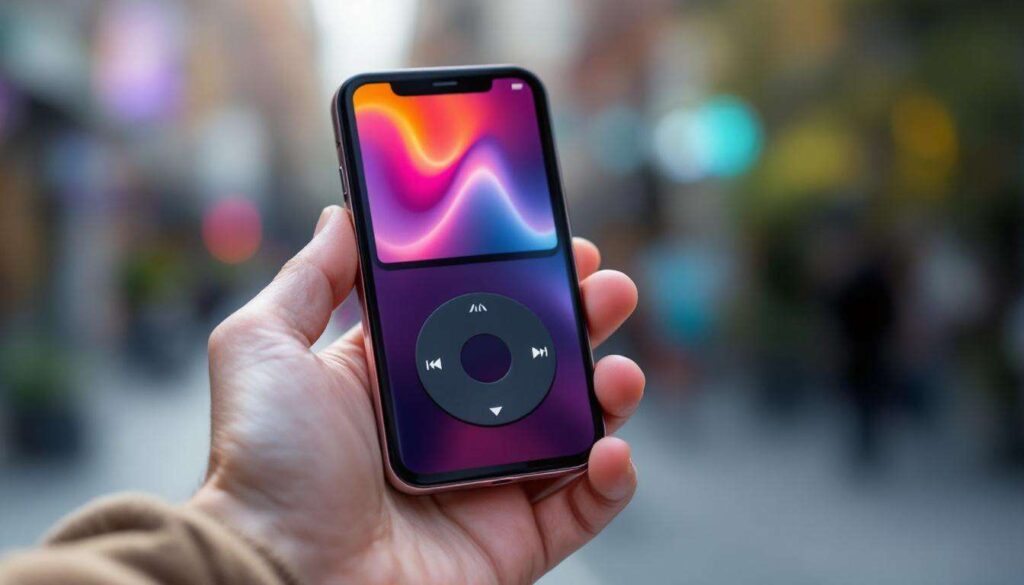
In a market saturated with streaming services and smartphones that do everything, the dedicated music player has become a niche product. Yet, a new device is making waves by resurrecting a design that is instantly recognizable to millions: the iconic silhouette of the Apple iPod. This newcomer promises the tactile satisfaction of a bygone era, complete with a click wheel and a compact form factor. However, it diverges from its inspiration in one critical area: the price tag. It looks like an iPod, it works like an iPod, but it is not an Apple product, and it certainly does not carry an Apple-level cost.
Familiar appearance: a design identical to the iPod
The first impression of this new player is one of profound nostalgia. The device is not merely inspired by the iPod Classic; it is a near-perfect replica in its physical form. The designers have painstakingly recreated the elements that made the original a cultural touchstone, banking on the power of muscle memory and aesthetic affection.
The iconic click wheel returns
Central to the device’s design is the functional click wheel. It provides the same satisfying tactile feedback for scrolling through menus and adjusting volume that users of the original will remember. The wheel is responsive and accurate, offering a physical connection to the music library that is absent from modern touchscreen interfaces. For many, this is the primary draw: the ability to navigate an entire music collection without ever looking at the screen. The central button and the four surrounding cardinal points (Menu, Play/Pause, Next, Previous) are all present and function exactly as expected.
Build quality and materials
The device features a construction that feels both premium and durable. The front panel is a smooth, polished plastic, while the back is a chromed stainless steel, just like the later generations of the iPod Classic. It has a reassuring heft without being overly heavy, striking a balance that makes it feel substantial in the hand. The dimensions are nearly identical, ensuring that a whole ecosystem of old cases and accessories might even find a new life. The screen is a small, non-touch color display that prioritizes function over flash, displaying album art and track information with clarity. This commitment to the original’s form factor is a bold statement in an era dominated by large glass screens.
This faithful recreation of a classic design is more than just a novelty; it sets the stage for the device’s internal capabilities and how they are delivered to the user.
Features and performance: how it works
While the exterior is a tribute to the past, the internal components have been updated to meet contemporary expectations for a dedicated audio player. The device aims to blend retro usability with modern performance, focusing purely on the music playback experience without the distractions of a multi-purpose gadget.
Storage and file support
One of the most significant upgrades is the move from traditional hard drives to solid-state storage. The player comes in several configurations, typically starting at 128 GB and going up to 512 GB of flash memory. This not only makes the device more durable and less prone to failure from drops but also significantly improves navigation speed. It supports a wide range of audio formats, far beyond what the original iPod could handle. Supported formats include:
- MP3, AAC, WAV, AIFF
- FLAC, ALAC (Apple Lossless)
- DSD, OGG Vorbis
This broad compatibility makes it an excellent choice for audiophiles with diverse, high-resolution music collections. Transferring music is also modernized, using a simple drag-and-drop method over a USB-C connection, bypassing the need for proprietary software like iTunes.
Audio quality and battery life
The device is equipped with a dedicated Digital-to-Analog Converter (DAC) chip that provides a noticeable improvement in sound quality over the average smartphone. The audio output is clean, detailed, and powerful enough to drive a wide range of headphones without an external amplifier. The manufacturer claims a battery life of approximately 30 to 40 hours of continuous audio playback, a figure that rivals or exceeds that of the original iPods and is made possible by the efficiency of the modern chipset and the low-power screen.
These updated internal components directly shape how the user interacts with the device, leading to an experience that is both familiar and refreshingly new.
A revisited user experience
The user experience is where this device truly defines itself, sitting at the intersection of nostalgia and modern convenience. The software is designed to be simple and fast, focusing exclusively on music playback and organization, but with a few key additions that acknowledge the technological shifts of the last decade.
A minimalist and responsive interface
The user interface is a clean, text-based system navigated entirely with the click wheel. It’s incredibly fast, with no lag when scrolling through thousands of songs. The menu structure is intuitive and mirrors the classic iPod layout: Music, Playlists, Artists, Albums, Songs. There are no apps, no notifications, and no internet browser. This is a device built for a single purpose, offering a “digital detox” from the constant connectivity of smartphones. The experience is about reconnecting with music albums as a complete work, rather than a stream of disconnected tracks.
Modern connectivity features
Despite its retro interface, the player incorporates one crucial modern feature: Bluetooth 5.0. This allows users to connect to wireless headphones and speakers, a convenience that was absent from the original iPods. The inclusion of Bluetooth makes the device practical for modern listening habits, whether at the gym, in the car, or at home. The USB-C port is another welcome update, used for both charging and high-speed data transfer, aligning the device with current industry standards.
This unique blend of old and new naturally raises the question of value, especially when considering its most disruptive feature: its price.
Unbeatable price: cheaper than the iPod
Perhaps the most compelling aspect of this new music player is its aggressive pricing strategy. By leveraging modern manufacturing efficiencies and a direct-to-consumer model, the creators have managed to offer a feature-rich device at a fraction of the cost of its inspiration or current-day competitors.
Breaking down the cost
The device typically retails for a price that is significantly lower than what a high-capacity iPod Classic cost during its heyday, even without adjusting for inflation. It is also priced far below the high-end digital audio players (DAPs) from brands like Astell&Kern or Fiio, which can run into many hundreds or even thousands of dollars. This player occupies a sweet spot, offering premium features like lossless audio support and a dedicated DAC for a budget-friendly price. The value proposition is clear: deliver a high-quality, focused listening experience without the “Apple tax” or the esoteric costs of the audiophile market.
This attractive pricing makes a direct comparison with both its ancestor and its modern counterparts essential for any potential buyer.
Comparison: iPod vs new models
To fully appreciate this new player’s position in the market, it is useful to see how it stacks up against both the product it emulates and other modern alternatives. The comparison highlights a clear trade-off between nostalgia, modern features, and price.
Head-to-head specifications
The following table provides a direct comparison of key specifications between the final iPod Classic, the new retro player, and a typical modern smartphone used as a music player.
| Feature | iPod Classic (7th Gen) | New Retro Player | Modern Smartphone |
|---|---|---|---|
| Storage | 160 GB HDD | 128-512 GB Flash | 64-1024 GB Flash |
| Battery Life (Audio) | ~36 hours | ~35 hours | ~50+ hours |
| Audio Formats | MP3, AAC, WAV, ALAC | MP3, AAC, FLAC, ALAC, DSD, OGG | Most formats via apps |
| Connectivity | 30-pin connector, 3.5mm jack | USB-C, 3.5mm jack, Bluetooth 5.0 | USB-C/Lightning, Bluetooth, Wi-Fi |
| Special Features | Click Wheel | Click Wheel, Dedicated DAC | Streaming, Apps, Camera, etc. |
| Approx. Launch Price | $249 (in 2009) | ~$100-$150 | $700+ |
The table reveals that the new player offers the best of both worlds in many respects. It provides the beloved click wheel interface of the iPod Classic but with the modern benefits of solid-state storage, broader file support, and Bluetooth connectivity, all at a highly competitive price. It cedes the all-in-one functionality of a smartphone to focus purely on a superior, distraction-free audio experience.
This clear positioning helps to define exactly who would benefit most from choosing this device over the alternatives.
Who is this new device for ?
This retro-styled music player is not intended for everyone. Its appeal is specific, targeting distinct groups of users who find the current smartphone-centric music landscape lacking. It caters to those who value focus, quality, and tactile control over all-in-one convenience.
The nostalgic audiophile
This user remembers the golden age of the iPod fondly but has since developed a more discerning ear. They have a large, locally-stored library of music, including high-resolution FLAC files, and want a dedicated device that can play them back with high fidelity. For them, the combination of a dedicated DAC, broad format support, and the classic click wheel interface is a dream come true. It allows them to enjoy their collection without the audio compromises and interruptions of a smartphone.
The digital minimalist
Another key demographic is the individual seeking to reduce screen time and digital distractions. This player offers a focused, single-purpose experience. It’s a tool for listening to music, and nothing else. There are no social media notifications, no emails, and no temptation to browse the web. For someone looking to disconnect while jogging, reading, or commuting, this device is an ideal companion. It encourages intentional listening and a deeper engagement with the music itself.
The budget-conscious music lover
Finally, the device is perfect for anyone who wants a high-capacity, high-quality music player without spending a fortune. Parents looking for a durable, non-internet-connected device for their children, students who don’t want to drain their phone battery, or anyone who simply can’t justify the cost of a high-end DAP will find immense value here. It democratizes the dedicated music player, making it an accessible and practical choice.
This device successfully carves out a niche for itself by reviving a beloved design and infusing it with modern technology at an accessible price point. It stands as a testament to the idea that for music, sometimes a dedicated tool is superior to a jack-of-all-trades. By blending the tactile satisfaction of the past with the performance of the present, it offers a compelling, focused, and enjoyable way to listen to a personal music library.