



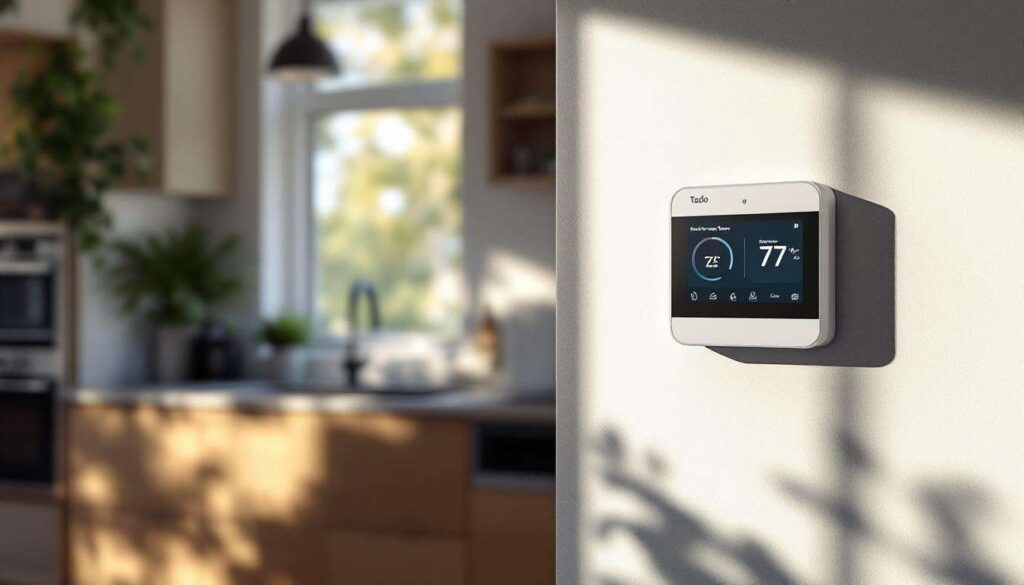
Smart home technology continues to evolve, aiming to simplify daily routines and enhance energy efficiency. Tado, a prominent player in the smart heating market, has rolled out a significant software update for its smart thermostat systems. The update introduces a streamlined method for controlling domestic hot water, addressing a long-standing user request for more intuitive, on-demand management. This new functionality allows homeowners to instantly adjust their hot water supply without disrupting their carefully configured heating schedules, marking a notable improvement in user convenience and control.
Understanding Tado’s new feature
What is the hot water boost function ?
The core of the new update is a feature designed for immediate hot water control. Previously, users needing hot water outside of their scheduled times had to manually adjust their settings, a process that could be cumbersome and often led to users forgetting to revert the changes. The new feature introduces a simple ‘boost’ button within the Tado app. This allows for a temporary override of the existing schedule, heating the water for a predefined period. It’s a one-tap solution for unscheduled needs, such as an impromptu bath or accommodating unexpected house guests, without requiring a permanent alteration to the energy-saving schedule.
How it integrates with existing schedules
This new functionality is designed to work in harmony with, not against, your established routines. It acts as a smart, temporary layer on top of your primary hot water schedule. When you activate the boost, the system prioritizes the immediate request for hot water. Once the boost duration is complete, the system automatically reverts to the pre-set schedule. This seamless integration ensures that efficiency is maintained over the long term. Consider these scenarios:
- Morning routine: Your schedule heats water from 6:00 am to 8:00 am. If you wake up early at 5:30 am, you can boost the hot water for 30 minutes without changing the entire schedule.
- Evening surprise: You decide to take a late-night bath after the scheduled heating has ended. A 60-minute boost provides the necessary hot water, and the system returns to its ‘off’ state afterward.
- Vacation mode: Even when your Tado is in away mode to save energy, you can remotely trigger the hot water boost just before you return home, ensuring comfort upon arrival.
This intelligent design provides flexibility while safeguarding the core energy-saving principles of smart scheduling.
Now that the fundamentals of this new feature are clear, the next step is to understand how to activate and utilize it within your own Tado system.
How to enable easier hot water management
Updating your Tado app and firmware
Accessing the new feature begins with ensuring your Tado ecosystem is up to date. The functionality is delivered via a software update, so the first step is to check your smartphone’s app store. Navigate to the Apple App Store or Google Play Store and update the Tado app to the latest version. In many cases, the thermostat’s firmware will update automatically in the background once the app is updated and connected. If the new feature doesn’t appear immediately, a hard reset of the Tado bridge or a simple log-out and log-in within the app can help trigger the update process. Patience is key, as firmware rollouts can sometimes be staggered across different regions.
Navigating the new interface
Once the update is complete, locating the new control is straightforward. Tado has integrated the function directly into the main hot water control screen of the app. Upon opening the app and selecting the hot water tile, you will see your regular schedule displayed. Alongside it, a new, prominent button, often labeled ‘Boost’, will be visible. Tapping this button brings up the new controls. The interface has been designed to be intuitive, minimizing the number of taps required to get hot water when you need it. The goal is to make the process as simple as flipping a switch, but with far more intelligence behind it.
Customizing the boost settings
The feature is not just a simple on/off button; it offers a degree of customization to fit different needs. When you activate the boost, you can typically select its duration. Common options include:
- 30 minutes
- 60 minutes
- 90 minutes
- Until the next scheduled time block
This allows you to choose an appropriate heating period, preventing unnecessary energy consumption. For example, a quick boost for washing dishes might only require 30 minutes, whereas preparing for multiple back-to-back showers might warrant a longer duration. This level of granular control is central to the feature’s efficiency.
With a clear path to enabling and using this new tool, it becomes important to examine the tangible advantages this update brings to the daily lives of Tado users.
Benefits of this update for users
Enhanced convenience and flexibility
The most immediate benefit is a dramatic increase in convenience. Life is unpredictable, and rigid schedules don’t always align with daily realities. The ability to instantly summon hot water without a complicated process removes a significant point of friction for users. It empowers homeowners to adapt their home’s systems to their lives, not the other way around. This flexibility is crucial for families with varying schedules, people who work from home, or anyone who values responsiveness from their smart home devices. It transforms the smart thermostat from a passive scheduler into an active, on-demand utility.
A more intuitive user experience
Beyond convenience, the update refines the overall user experience. By simplifying a core function, Tado makes its platform more accessible and less intimidating for non-technical users. The previous method could involve several steps: opening the app, navigating to the schedule, manually adding a new time block, and then remembering to delete it later. The new one-tap solution is clean, simple, and error-proof. This focus on user-centric design is what separates a good smart device from a great one. It demonstrates an understanding of how people actually interact with their homes in real time.
These user-focused improvements are significant, but to fully appreciate their value, it is useful to see how they position Tado within the broader competitive landscape.
Comparison with other smart thermostats
Feature parity in the smart home market
In the competitive smart thermostat arena, on-demand hot water control is becoming a standard feature. Competitors like Nest and Hive have offered similar ‘boost’ functionalities for some time. This update, therefore, brings Tado up to par with its main rivals, closing a notable feature gap. For potential buyers comparing ecosystems, Tado is now on a more equal footing regarding hot water management. This parity is crucial for attracting new customers who expect a comprehensive set of features from a premium smart home product. It’s no longer a reason to choose a competitor over Tado.
Tado’s unique integration approach
While the boost function itself achieves parity, Tado’s implementation has its unique strengths. Tado’s system excels at integrating various data points for smarter decision-making. The new hot water feature doesn’t operate in a vacuum; it works in conjunction with Tado’s signature skills, such as:
- Geofencing: The system knows when you’re home or away, preventing accidental boosts when no one is there to use the hot water.
- Open Window Detection: While more relevant for heating, this illustrates the sensor-driven intelligence of the ecosystem that underpins all its features.
- Weather Adaptation: Tado adjusts heating based on weather forecasts, and this same intelligence can inform how quickly your water tank loses heat, potentially optimizing boost durations in the future.
It’s this holistic, data-rich approach that could give Tado’s implementation an edge in overall efficiency.
Comparative feature overview
To provide a clearer picture, here is a comparison of hot water control features across popular smart thermostats.
| Feature | Tado | Google Nest | Hive Active Heating |
|---|---|---|---|
| Hot Water Scheduling | Yes | Yes | Yes |
| On-Demand Boost | Yes (New) | Yes | Yes |
| Customizable Boost Duration | Yes | Yes | Yes |
| Integration with Geofencing | Yes | Limited (Home/Away) | Yes |
This comparison highlights that while the core boost feature is now standard, the true differentiation lies in how it’s integrated into the broader smart home ecosystem, which brings the conversation directly to its effect on household expenses.
Impact on home energy savings
Preventing wasteful ‘buffer’ heating
One of the most significant impacts of this feature is its potential to reduce energy waste. Many users, frustrated with the rigidity of old schedules, would set their hot water to run for longer periods than necessary, creating a ‘buffer’ just in case. For example, they might heat water for three hours in the morning when they only need it for one. The new boost function eliminates the need for this wasteful practice. Users can now run a much tighter, more efficient schedule, confident that they can instantly get hot water if an unexpected need arises. This shift from ‘just in case’ heating to ‘just in time’ heating is a fundamental step toward a more efficient home.
Quantifying potential savings
While exact savings vary based on household size, water usage, and utility rates, the principle is straightforward. Heating water is one of the most energy-intensive activities in a home. By cutting out unnecessary heating hours, the savings can be substantial. Consider a hypothetical scenario:
| Heating Method | Daily Heating Hours | Estimated Monthly Energy Cost |
|---|---|---|
| Scheduled with Buffer | 3 hours | $30 |
| Tight Schedule + 4 Boosts/week | 1.5 hours + Boosts | $18 |
This simplified table illustrates how reducing the baseline scheduled heating and relying on the boost for exceptions can lead to significant cost reductions over time. The key is that the system is no longer heating water that isn’t being used.
Theoretical savings and feature comparisons provide a solid framework, but the true measure of an update’s success comes from the experiences of the people using it every day.
User testimonials and initial feedback
Positive community reception
The rollout of the new feature has been met with largely positive feedback from the existing Tado user base. On community forums and social media platforms, users have praised the change as a “long-overdue” and “game-changing” improvement. Many have highlighted the newfound simplicity. One user on a popular home automation forum noted, “Finally, I don’t have to mess with my whole schedule just because my kid wants a bath at a weird time. I just hit the button and it’s done.” This sentiment captures the essence of the update’s appeal: it solves a common, recurring problem with an elegant and simple solution.
Constructive criticism and future improvements
While the reception has been warm, some users have provided constructive feedback for future iterations. A common suggestion is the desire for even more granular control over the boost, such as specifying a target temperature in addition to the duration. Others have requested integration with voice assistants like Alexa and Google Assistant to be more robust, allowing for commands like, “Hey Google, boost the hot water for 45 minutes.” Tado has a history of listening to its community, and this early feedback will likely inform the feature’s evolution. There have been no widespread reports of major bugs, indicating a stable and well-tested release.
This update provides Tado users with a powerful new tool for managing their homes more effectively. It simplifies daily routines, enhances the user experience, and offers a clear path to reducing energy consumption by eliminating wasteful heating practices. By adding this much-requested feature, Tado not only brings its platform in line with competitors but also reinforces its commitment to creating an intelligent, responsive, and efficient smart home ecosystem.