



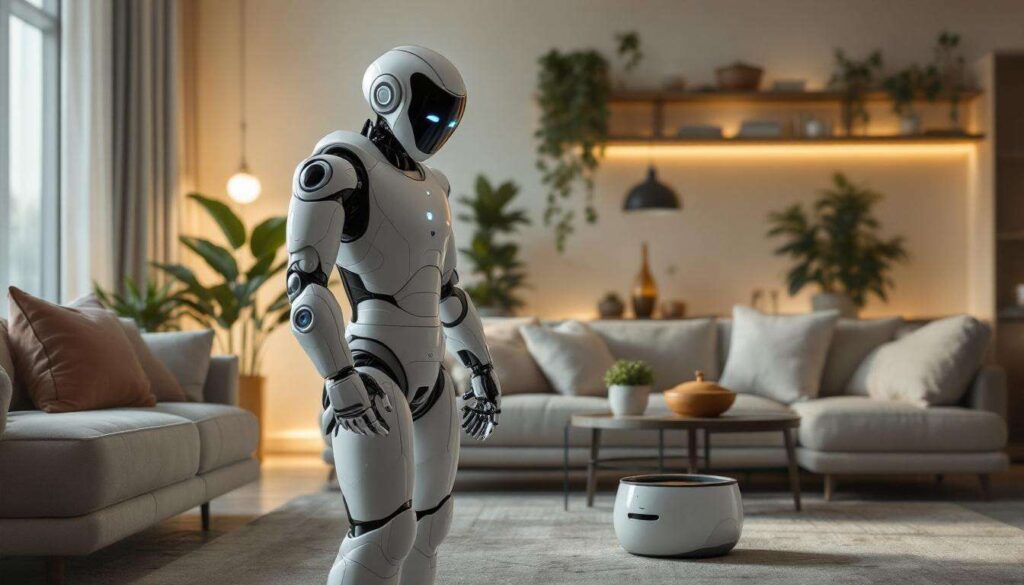
The landscape of consumer technology is in a perpetual state of evolution, with each year bringing advancements that were once the exclusive domain of science fiction. The integration of artificial intelligence into everyday devices has accelerated this trend, transforming simple appliances into smart, responsive assistants. As manufacturers race to redefine the connected home, the focus is shifting from isolated smart gadgets to a more holistic, integrated ecosystem. This pursuit of seamless automation is paving the way for the next major breakthrough in domestic technology: a truly intelligent and physically capable assistant that can understand and interact with the human world in a meaningful way.
Technological innovation at the heart of CES 2026
A showcase for the future
The Consumer Electronics Show, or CES, has long been the premier stage for unveiling groundbreaking technologies. Year after year, companies from around the globe converge on Las Vegas to showcase their latest products, offering a glimpse into the future of our digital lives. CES 2026 is poised to continue this tradition, with an expected focus on advancements in artificial intelligence, quantum computing, and sustainable tech. Experts anticipate that the main theme will revolve around hyper-personalization and autonomous systems, moving beyond simple smart speakers and into a new era of proactive digital assistants that can anticipate user needs.
Key trends to watch
Several key areas are expected to dominate the showroom floor. The evolution of the smart home will be a central focus, with interconnected devices creating a truly seamless living environment. We can expect to see major developments in:
- Ambient computing: Technology that is so deeply integrated into our surroundings that it becomes virtually invisible, responding intuitively to our presence and commands.
- Next-generation connectivity: The widespread adoption of 6G technology, promising unprecedented speeds and reliability for an ever-increasing number of connected devices.
- Robotics and automation: A significant leap forward in consumer robotics, with machines designed not just for novelty but for genuine utility within the home.
This last point is particularly significant. While robotic vacuums and lawnmowers have become commonplace, the industry has been striving for a more versatile and intelligent solution. Amidst the flurry of expected announcements, one in particular is set to capture the spotlight, heralding a new chapter in home automation with the introduction of an advanced humanoid robot from a major industry player.
Introduction of LG’s humanoid robot
The official announcement
In what is already being billed as a landmark event for CES 2026, LG Electronics has confirmed it will unveil its first-ever fully autonomous humanoid robot designed for domestic use. The company, a long-standing leader in home appliances and consumer electronics, is making a bold entry into the personal robotics market. The announcement, made via a press release, promises a robot capable of handling a wide array of household chores, learning from its environment, and interacting naturally with family members. The project, codenamed “Project CLOi-Gene,” represents a significant investment and a strategic pivot for LG, aiming to position the company at the forefront of the next technological revolution.
A strategic move for LG
LG’s decision to enter the humanoid robot market is not an impulsive one. It is the culmination of years of research and development in AI, motor control, and sensor technology. By leveraging its extensive experience in the smart home sector, LG aims to create a robot that integrates flawlessly with its existing ThinQ ecosystem of connected appliances. The goal is to offer more than just a machine that performs tasks; the vision is to provide a central hub for home management. This robot is designed to orchestrate other smart devices, from starting the washing machine to preheating the oven, all while performing its own physical duties. This strategic positioning could give LG a considerable edge over competitors focused solely on robotics without an established home appliance network.
This ambitious project is not just about a new product but about defining a new category of consumer electronics. The introduction of such a sophisticated machine raises many questions about its actual capabilities and the technology that powers it.
Features and technical specifications
Advanced mobility and manipulation
The LG humanoid robot stands out due to its sophisticated physical design. Standing at 1.5 meters tall, it navigates complex home environments using a combination of LiDAR and 3D cameras, allowing it to map rooms and avoid obstacles with precision. Its most impressive feature is its pair of articulated hands, which are equipped with tactile sensors. These hands can perform a range of delicate tasks, such as:
- Folding laundry with near-human dexterity.
- Setting a dinner table, including handling fragile glassware.
- Loading and unloading a dishwasher.
- Retrieving specific items from a cluttered refrigerator.
The robot’s bipedal locomotion is designed to be stable and quiet, enabling it to move across different floor types, including carpets and hardwood, and even navigate stairs, a common challenge for domestic robots.
AI-powered intelligence
At its core is LG’s proprietary “Life’s Good AI” (LG-AI) engine, a multimodal system that processes information from various sources. This AI allows the robot to understand complex verbal commands, recognize different family members through facial and voice recognition, and even interpret context and emotional tone. The robot operates on a continuous learning model, meaning its performance and understanding of a household’s specific routines improve over time. For instance, it can learn where specific items are stored or anticipate that a user wants coffee after their morning alarm goes off.
| Feature | LG CLOi-Gene (2026) | Competitor A (Hypothetical) | Competitor B (Hypothetical) |
|---|---|---|---|
| Height | 1.5 meters | 1.4 meters | 1.6 meters |
| AI Engine | LG-AI (multimodal) | Standard NLP | Cloud-based AI |
| Manipulation | 5-finger hands with tactile sensors | 3-finger grippers | Claw-style manipulators |
| Battery Life | 8 hours (active use) | 6 hours (active use) | 7 hours (active use) |
| Navigation | LiDAR and 3D cameras | Camera-based VSLAM | LiDAR only |
The impressive technical sheet of this robot suggests a machine capable of genuinely transforming how we manage our homes, raising important considerations about its practical effects on the daily lives of its future users.
Impact on users’ daily lives
Redefining household chores
The most immediate impact of a robot like LG’s CLOi-Gene will be the automation of mundane and time-consuming household chores. For busy professionals, elderly individuals, or people with mobility challenges, this could be a life-changing development. The robot’s ability to handle tasks like cleaning, cooking preparation, and laundry frees up significant amounts of time, allowing users to focus on work, hobbies, or spending time with family. It represents a shift from task management to lifestyle management, where technology actively works to reduce domestic labor and improve overall quality of life. The promise is a home that is not just smart, but truly helpful.
A companion and an assistant
Beyond its physical capabilities, the robot is designed to be an interactive part of the household. Its advanced AI allows it to function as a personal assistant, capable of managing calendars, setting reminders, and even providing companionship through conversation. For elderly users living alone, this could offer a sense of security and connection. The robot can monitor the home environment for safety, such as detecting a gas leak or an unlocked door, and can be programmed to contact emergency services if it detects a fall. This dual role as both a physical helper and a digital companion makes it a uniquely versatile device, blurring the lines between appliance and family member.
The introduction of such a revolutionary product is bound to create ripples throughout the technology market, prompting swift reactions from competitors and analysts alike.
Market reactions and perspectives
Analysts weigh in
Industry analysts have responded to LG’s announcement with a mixture of excitement and cautious optimism. Many view it as a pivotal moment for consumer robotics, potentially marking the beginning of mainstream adoption. The primary point of praise is LG’s integrated approach, linking the robot to its established ecosystem of smart appliances. However, concerns have been raised regarding two key factors: price and privacy. The cost of such advanced technology will likely place the robot in a premium category, limiting its initial market to affluent consumers. Furthermore, a device that constantly sees, hears, and learns within a private home raises significant data privacy questions that LG will need to address transparently to gain consumer trust.
Competitive landscape
LG is not alone in the race to build a domestic humanoid robot. Several other tech giants and specialized robotics firms are known to be developing similar projects. The unveiling at CES 2026 is expected to accelerate the competition, forcing rivals to either reveal their own progress or risk being left behind. This competitive pressure could lead to rapid innovation and, eventually, more accessible pricing. The market will likely see a split between two types of offerings: highly functional, integrated systems like LG’s, and more specialized, task-oriented robots from smaller companies. The success of CLOi-Gene will heavily depend on its reliability, ease of use, and its ability to deliver on its ambitious promises in a real-world setting.
This heightened competition and the technological leap represented by LG’s robot signal a broader shift, prompting a look at the long-term trajectory for robotics within our homes.
The future of domestic robotics
From single-task to multi-purpose
The era of single-task domestic robots, such as robotic vacuums, is drawing to a close. The future lies in multi-purpose, intelligent platforms that can adapt to a wide variety of household needs. LG’s humanoid robot is a prime example of this trend. Future developments will likely focus on enhancing adaptability and customization. We may see robots capable of learning entirely new tasks through observation or downloading new skills from a software marketplace, much like we do with smartphone apps today. This evolution will transform robots from simple tools into true domestic partners, capable of managing nearly every aspect of the home.
Ethical and social considerations
As these advanced robots become more integrated into our lives, they will bring a host of ethical and social questions to the forefront. These include issues of job displacement in the domestic service sector, the psychological effects of forming emotional bonds with machines, and the potential for over-reliance on technology. Society will need to establish guidelines and regulations to ensure these technologies are developed and used responsibly. The debate will move beyond technical feasibility to focus on creating a future where human-robot collaboration enhances human well-being without compromising our autonomy or privacy. The journey into this new frontier of domestic robotics is only just beginning, and it promises to be as challenging as it is exciting.
LG’s announcement at CES 2026 marks a significant milestone, presenting a humanoid robot designed to manage daily chores through advanced AI and mobility. This innovation promises to redefine domestic life by automating tasks and acting as a central home assistant. While market reception will depend on price and privacy assurances, the move accelerates competition and pushes the entire industry toward a future of multi-functional, intelligent robotic companions, raising important social and ethical discussions for the years to come.