



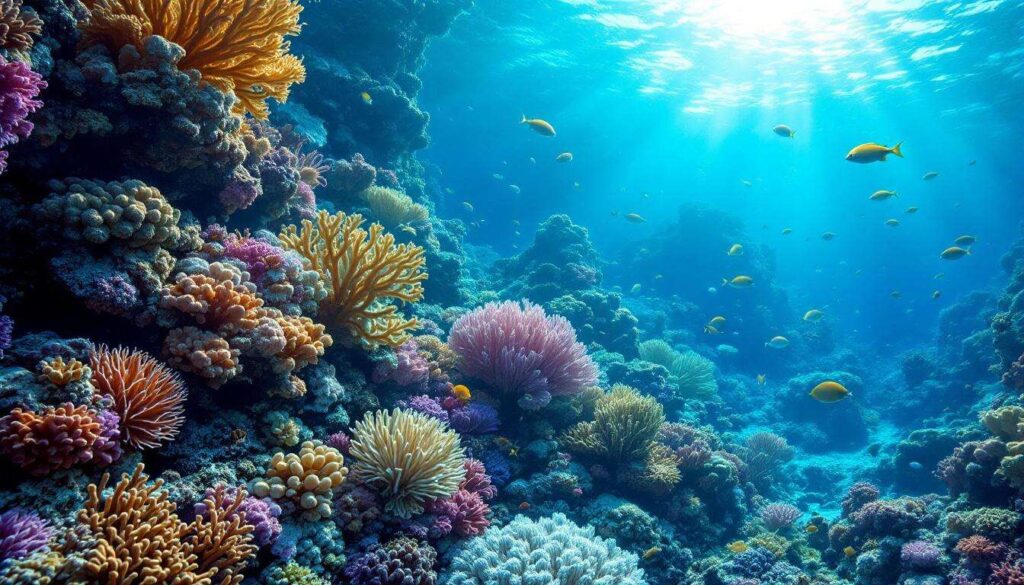
Beneath the ocean’s surface, a silent and devastating crisis is unfolding. Coral reefs, often called the rainforests of the sea, are facing an unprecedented collapse. While the immediate images of bleached, skeletal remains are stark, the planet’s reaction to this loss extends far beyond the reef itself, triggering a cascade of unexpected and interconnected consequences that are only now beginning to be fully understood by scientists and policymakers alike.
Coral collapse: causes and consequences
The primary drivers of coral bleaching
The widespread demise of coral reefs is not a singular event but the result of a confluence of stressors. The most significant factor is rising sea temperatures driven by global climate change. Corals are extremely sensitive to temperature fluctuations. When water becomes too warm, they expel the symbiotic algae, known as zooxanthellae, living in their tissues. This process, called bleaching, starves the coral and leaves it vulnerable to disease and death. Another critical driver is ocean acidification, a direct consequence of the ocean absorbing excess carbon dioxide from the atmosphere. This chemical change hinders the ability of corals to build their calcium carbonate skeletons, which form the very structure of the reef.
Immediate effects on reef structures
The most visible consequence of these stressors is mass bleaching. What was once a vibrant, colorful ecosystem becomes a ghostly white boneyard. If the stressful conditions persist, the coral polyps die, and the reef structure begins to erode. This initial collapse is not just an aesthetic loss; it marks the beginning of a profound ecological breakdown. The intricate, three-dimensional structure of the reef, which provides shelter and food for countless organisms, starts to crumble. The table below illustrates the stark correlation between rising ocean temperatures and the frequency of mass bleaching events.
| Period | Average Global Sea Surface Temperature Anomaly (°C) | Major Global Bleaching Events Recorded |
|---|---|---|
| 1980-1989 | +0.12 | 0 |
| 1990-1999 | +0.25 | 1 (1998) |
| 2000-2009 | +0.38 | 1 (2002, localized) |
| 2010-2019 | +0.56 | 2 (2010, 2014-17) |
The degradation of the physical reef structure is the first step in a chain reaction that destabilizes the entire local environment, setting the stage for a broader collapse of the marine ecosystems that depend on it.
Marine ecosystems at risk
The unraveling of the food web
Coral reefs are not merely structures; they are bustling metropolises that support an estimated 25% of all marine species. When the coral dies, the foundation of this complex ecosystem is removed. Organisms that rely directly on coral for food or shelter are the first to suffer. This includes a variety of fish, invertebrates, and crustaceans. For instance, butterflyfish and parrotfish feed directly on coral polyps and algae growing on the reef. Their disappearance has a ripple effect, impacting the larger predators that prey on them, such as sharks and groupers. The entire local food web begins to unravel from the bottom up.
Loss of critical nursery habitats
Beyond providing food, the complex architecture of a healthy reef serves as a vital nursery for the juvenile stages of countless marine species, many of which are commercially important. The nooks and crannies of the coral structure offer protection from predators, allowing young fish and invertebrates to grow to maturity. The loss of these habitats means that fish populations can no longer replenish themselves effectively. This has dire consequences for fisheries far beyond the immediate vicinity of the reef. Species that are directly dependent on these nurseries include:
- Groupers and snappers
- Lobsters and crabs
- Sea urchins and other invertebrates
- Many species of reef sharks
The failure of these nurseries leads to a sharp decline in fish stocks, a phenomenon that has already been observed in regions with severe reef degradation. This loss of biodiversity within the reef system is a precursor to even wider, global-scale repercussions.
Global biodiversity repercussions
A threat to genetic diversity
The sheer concentration of life on coral reefs makes them critical hotspots of marine biodiversity. Each reef hosts unique genetic variations of species, adapted to local conditions. The collapse of entire reef systems, like sections of the Great Barrier Reef, can lead to the permanent extinction of species and the loss of irreplaceable genetic information. This genetic diversity is crucial for the resilience of marine life, providing the raw material for species to adapt to changing environmental conditions. Losing it is akin to deleting chapters from the book of life, with consequences we cannot fully predict.
Disruption of migratory pathways
The influence of coral reefs extends far beyond their physical boundaries. They serve as critical stepping stones or waypoints in the migratory routes of many larger marine animals, including sea turtles, sharks, and marine mammals. These animals use reefs as areas for feeding, resting, and breeding during their long journeys across the oceans. The degradation of a key reef along a migratory corridor can disrupt these ancient patterns, forcing animals to travel further to find food and rest, which can lower their reproductive success and increase mortality rates. The health of a single reef can thus influence the population dynamics of species thousands of miles away.
The widespread loss of marine biodiversity inevitably creates profound challenges for human societies, particularly those living along the world’s coastlines who have long depended on the ocean’s bounty.
Dangers for coastal populations
Erosion of natural coastal defenses
Healthy coral reefs act as natural, self-repairing breakwaters. They absorb and dissipate a significant portion of wave energy, protecting coastlines from storms, erosion, and rising sea levels. Studies have shown that reefs can reduce wave energy by up to 97%. When reefs die and erode, this natural barrier is lost. Coastal communities, many of which are in developing nations and lack the resources for expensive artificial defenses, become dangerously exposed to flooding and land loss. This not only threatens homes and infrastructure but also salinizes freshwater sources and agricultural land.
Collapse of local economies
For hundreds of millions of people, coral reefs are the bedrock of their livelihoods. The collapse of reef-associated fisheries directly impacts food security and income. Furthermore, the tourism industry, a major economic driver in many tropical regions, is heavily dependent on the allure of vibrant coral reefs for activities like snorkeling and diving. A bleached and dying reef ceases to be a tourist attraction, leading to a sharp decline in revenue and widespread job losses. The economic fallout from reef collapse can destabilize entire regional economies.
| Sector | Estimated Annual Global Economic Value from Coral Reefs | Primary Threats from Reef Collapse |
|---|---|---|
| Tourism and Recreation | $36 billion | Loss of visitor appeal, decline in diving/snorkeling activities |
| Coastal Protection | $9 billion | Increased damage from storms, erosion, and flooding |
| Fisheries | $6.8 billion | Collapse of fish stocks, loss of income for fishing communities |
Given these severe human and economic consequences, the urgency to implement effective conservation measures and find sustainable solutions has never been greater.
Conservation measures and sustainable solutions
Active reef restoration efforts
In response to the crisis, scientists and conservationists are developing innovative techniques to actively restore degraded reefs. One of the most promising methods is coral gardening or farming. This involves collecting small fragments of surviving, more resilient corals, growing them in underwater nurseries, and then transplanting them back onto damaged reefs. Another approach, known as microfragmentation, involves breaking corals into tiny pieces to stimulate rapid growth before reattaching them to the reef structure. While these efforts are labor-intensive and localized, they offer a glimmer of hope for saving specific, high-value reef areas.
Global policy and community action
Ultimately, local restoration can only succeed if the root causes of coral collapse are addressed. This requires a two-pronged approach: global policy changes and local community engagement. At the global level, the most critical action is a rapid reduction in greenhouse gas emissions to slow ocean warming and acidification. On a local scale, effective management strategies are crucial. These include:
- Establishing and enforcing Marine Protected Areas (MPAs) to reduce fishing pressure.
- Improving water quality by reducing land-based pollution from agriculture and sewage.
- Promoting sustainable tourism practices that minimize damage to reefs.
- Engaging local communities in conservation, providing them with alternative livelihoods.
These conservation efforts are not just about saving an ecosystem; they are also intrinsically linked to preserving a powerful, natural ally in the broader fight against climate change.
The importance of corals for combating climate change
Reefs as biogeochemical regulators
The role of coral reefs extends into the fundamental chemistry of the ocean and atmosphere. The process of calcification, by which corals build their skeletons, is a key part of the global carbon cycle. While complex, this process influences the ocean’s ability to absorb CO2 from the atmosphere. The vast biological activity on reefs also plays a role in nutrient cycling, such as for nitrogen and phosphorus, which has far-reaching effects on ocean productivity. The collapse of these biogeochemical engines disrupts marine chemistry in ways that are still being studied, potentially weakening the ocean’s capacity to buffer climate change.
A source of climate-resilient genes
Perhaps one of the most unexpected roles of corals in a changing world is as a potential source of solutions. Within coral populations, there is natural variation in heat tolerance. Scientists are racing to identify and study these “super corals” that can survive in warmer or more acidic waters. Understanding the genetic and symbiotic mechanisms behind this resilience could be key to developing new restoration strategies. By breeding more robust corals, it may be possible to help reefs adapt to the inevitable changes already locked into the climate system. Protecting existing coral diversity is therefore essential, as it holds the genetic toolkit that may be needed to rebuild the reefs of the future.
The intricate connection between coral reefs, marine biodiversity, coastal human populations, and the global climate system illustrates a profound truth. The health of these underwater ecosystems is not a peripheral environmental issue but a critical indicator of planetary stability. Their collapse is a clear warning that triggers a domino effect, impacting global biodiversity, human safety, and even the planet’s ability to regulate its own climate, underscoring the urgent need for decisive global action.