



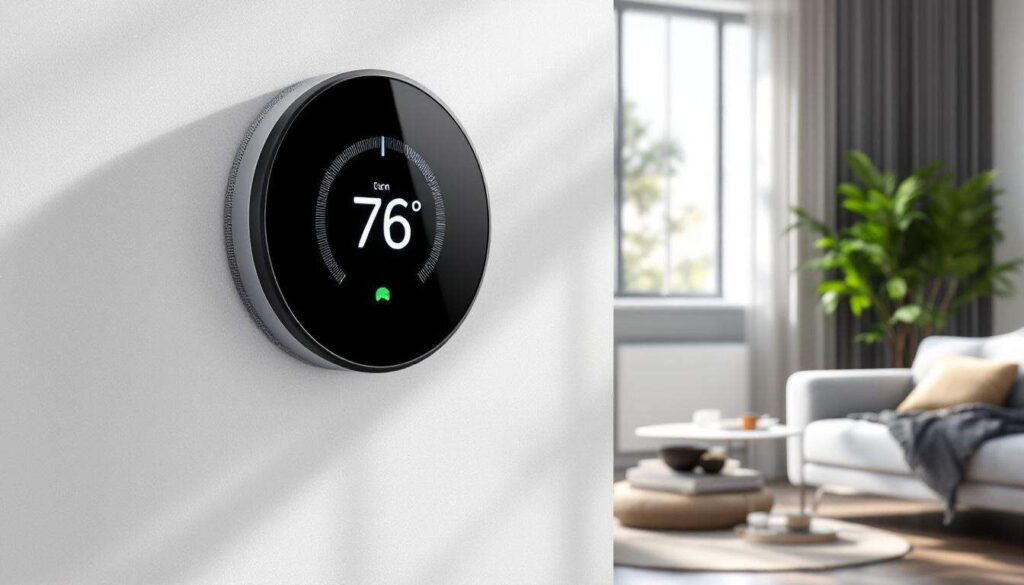
In the rapidly expanding universe of smart home technology, the smart thermostat has emerged as a central command unit for both comfort and energy efficiency. Promising lower utility bills and automated climate control, these devices have flooded the market, each claiming superior intelligence and user-friendliness. Yet, the real measure of a product’s worth lies not in its marketing copy, but in the day-to-day experience of its users. This ranking cuts through the noise, leveraging thousands of consumer reviews to separate the truly intelligent from the merely digital, revealing which thermostats live up to their promise and which leave users out in the cold.
Analysis of criteria for evaluating smart thermostats
Key evaluation factors
When homeowners evaluate a smart thermostat, their judgment extends far beyond its ability to simply adjust the temperature. The modern consumer expects a seamless experience, from the moment the box is opened to daily interaction via a mobile app. User reviews consistently highlight a specific set of criteria that determine satisfaction or frustration. These core factors form the basis of our ranking and provide a clear framework for what makes a thermostat truly “smart” in the eyes of the public.
- Ease of installation and setup: Users heavily penalize devices that require complex wiring or professional help, especially when DIY installation is advertised. Clear instructions and compatibility with existing HVAC systems, particularly the presence or absence of a C-wire, are critical.
- User interface and app functionality: A thermostat’s on-device screen and its companion mobile app are the primary points of interaction. An intuitive, responsive, and glitch-free interface is paramount. A poorly designed app can render even the most advanced hardware useless.
- Smart home integration: The ability to connect with ecosystems like Amazon Alexa, Google Assistant, and Apple HomeKit is no longer a luxury but a baseline expectation. Users want to control their home’s climate with voice commands as part of their broader smart home routines.
- Effectiveness of energy-saving features: The promise of reduced energy bills is a major selling point. Consumers closely scrutinize features like learning algorithms, geofencing, and detailed energy usage reports to verify if the savings are real or merely theoretical.
The importance of software and connectivity
A recurring theme in user feedback is the critical role of software. The physical thermostat is only one part of the equation; the reliability of its Wi-Fi connection and the sophistication of its software are what unlock its true potential. A device that frequently drops its connection becomes a “dumb” thermostat with a fancy screen. Likewise, a buggy app that crashes, fails to update schedules, or provides inaccurate data is a constant source of irritation. Users expect consistent and reliable performance, and software stability is the bedrock of that expectation. The best products are those where the hardware and software work in perfect harmony, creating an experience that feels both powerful and effortless.
Energy savings versus upfront cost
The initial purchase price of a smart thermostat can be a significant hurdle for many consumers. A key part of the decision-making process involves weighing this upfront cost against the potential for long-term energy savings. While premium models can cost hundreds of dollars, they often come with ENERGY STAR certification and advanced algorithms that promise to pay for the device over time. Users are savvy, often using online calculators and analyzing their own utility bills to determine the return on investment. The most successful products are those that can clearly demonstrate their value proposition.
| Thermostat Tier | Average Upfront Cost | Estimated Annual Savings (ENERGY STAR) | Approximate Payback Period |
|---|---|---|---|
| Budget Smart | $80 – $120 | ~$50 | 1.5 – 2.5 years |
| Mid-Range | $130 – $180 | ~$100 | 1 – 2 years |
| Premium Learning | $200 – $250 | ~$140 | 1.5 – 2 years |
After establishing the benchmarks for a quality smart thermostat, it becomes easier to understand why certain models fail to meet user expectations. The devices that rank lowest often stumble on these fundamental criteria, leading to widespread consumer dissatisfaction.
Thermostats least appreciated by users
Model X: connectivity nightmares
At the bottom of the rankings are thermostats plagued by persistent connectivity issues. User forums and review sections are filled with complaints about a particular category of devices that constantly disconnect from the home’s Wi-Fi network. This failure renders all smart features, such as remote control and scheduling via the app, completely useless. The frustration is palpable in reviews, with users describing how they are forced to manually adjust the thermostat, defeating its entire purpose. These models often require frequent resets or router reconfigurations, turning a device meant to provide convenience into a significant technical headache.
Model Y: a confusing interface
Another group of poorly-rated thermostats suffers from a fundamentally flawed user interface. While they may be packed with features, accessing them is an exercise in frustration. Users describe on-device menus as cryptic and the companion mobile apps as unnecessarily complicated. Simple tasks like setting up a weekly schedule or overriding the current temperature become a multi-step ordeal. The learning curve is steep, and the experience feels unintuitive. This design failure leads to users abandoning the advanced features altogether, using the expensive smart device as a basic digital thermostat and feeling that their investment was wasted.
Model Z: compatibility issues
Rounding out the least-appreciated category are thermostats that overpromise on compatibility. These products often claim to work with a vast majority of HVAC systems, but user reviews tell a different story. Homeowners report discovering during installation that their wiring is incompatible, most commonly due to the lack of a C-wire, despite the product’s claims of not needing one. This leads to unexpected costs for hiring an electrician or purchasing a power adapter kit. The discrepancy between marketing claims and real-world compatibility creates a sense of distrust and results in a high rate of product returns and negative feedback.
While some thermostats clearly miss the mark, a larger category exists in a middle ground, offering a mix of commendable features and notable flaws that result in deeply divided user opinions.
Digital thermostats with mixed feedback
The budget-friendly contender: hits and misses
In the fiercely competitive mid-range market, several thermostats attract buyers with an appealingly low price point. These models successfully deliver on core smart features like app control and basic scheduling. However, user feedback is often split. On one hand, buyers praise the accessibility and the initial cost savings. On the other, a significant number of reviews point to a less-than-premium experience. Complaints often center on a flimsy plastic build, a sluggish or unresponsive app, and limited integration with smart home ecosystems beyond the major players. For many, it’s a classic case of getting what you pay for, a functional but uninspired device that lacks the polish of its more expensive rivals.
The feature-packed but flawed option
Some thermostats attempt to differentiate themselves by offering an exhaustive list of features, including remote room sensors, geofencing, detailed energy reports, and air quality monitoring. While these capabilities are attractive on paper, the execution often falls short, leading to mixed reviews. Users who get the features to work as advertised are thrilled. However, many others report software bugs that make these advanced functions unreliable. Remote sensors may lose connection, or energy reports might display questionable data. The experience is inconsistent, making the product a gamble for potential buyers who are unsure if they will receive a seamless, high-tech experience or a buggy, frustrating one.
A legacy brand’s attempt
Established HVAC manufacturers have also entered the smart thermostat arena, leveraging their decades of industry experience. These devices are typically praised for their rock-solid reliability and build quality. Users trust the brand and know the thermostat will control their heating and cooling systems effectively. The criticism, however, focuses on the “smart” aspect of the product. The app often feels like an afterthought, with a clunky design and limited functionality compared to tech-first companies. The user experience can feel dated, lacking the intuitive and elegant design that defines the top-tier products. It’s a reliable thermostat, but not necessarily a great smart one.
Moving beyond these mixed performers, we find a class of products that consistently delight users by delivering on their promises with reliability, innovative features, and exceptional design.
Acclaimed products and their strengths
The aesthetic champion: Google Nest Learning Thermostat
For years, the Google Nest Learning Thermostat has been a leader, largely due to its iconic design and powerful simplicity. User reviews consistently praise its premium feel, with a high-resolution display and a satisfying metal ring for manual adjustments. Its standout feature, however, remains its learning algorithm. Users love that the thermostat genuinely learns their habits over the first week and then builds a schedule automatically. This “set it and forget it” approach is the pinnacle of smart home convenience. For many, the Nest is effortlessly smart, blending seamlessly into the home’s decor while intelligently managing its climate with minimal user input.
The data-driven choice: Ecobee Smart Thermostat
Ecobee has carved out a loyal following by focusing on a problem that many homes face: uneven temperatures. Its key differentiator, the included remote SmartSensor, is a game-changer according to thousands of reviews. By placing sensors in different rooms, the thermostat can heat or cool the home based on where people actually are, not just the temperature in the hallway where the thermostat is mounted. Users praise the granular control and the detailed energy reports that empower them to make informed decisions about their usage. Its broad compatibility with all major smart home platforms also makes it a favorite among tech-savvy homeowners who want their devices to work together seamlessly.
The reliable workhorse: Honeywell Home T9
Leveraging a long-standing reputation for reliability, the Honeywell Home T9 consistently earns high marks from users who want a balance of modern features and trusted performance. Like Ecobee, the T9 utilizes remote sensors for room-specific temperature control, a feature that users find incredibly effective. Reviews often highlight the straightforward setup process and the intuitive, no-nonsense mobile app. While it may not have the learning algorithm of the Nest, its robust scheduling and geofencing capabilities are more than sufficient for most users. It is often seen as a pragmatic and powerful choice that delivers on its promises without unnecessary complexity.
With these top-tier products establishing a high bar for performance and user satisfaction, a direct comparison is necessary to help potential buyers distinguish between the best of the best.
Comparison: the top 3 smart thermostats
Feature-by-feature breakdown
Choosing between the top contenders—the Google Nest Learning Thermostat, the Ecobee Smart Thermostat, and the Honeywell Home T9—often comes down to specific priorities. While all three offer exceptional performance, they excel in different areas. The Nest focuses on automated learning and design, the Ecobee on data and multi-room sensing, and the Honeywell on balanced features and reliability. This table provides a clear, at-a-glance comparison of their most important attributes based on user feedback and product specifications.
| Feature | Google Nest Learning Thermostat | Ecobee Smart Thermostat | Honeywell Home T9 |
|---|---|---|---|
| Key Differentiator | Automatic learning algorithm | Included remote room sensors | Remote sensors and brand reliability |
| Remote Sensors | Sold separately | One included, more can be added | One included, more can be added |
| Smart Home Integration | Google Assistant, Amazon Alexa | Apple HomeKit, Google Assistant, Amazon Alexa, IFTTT | Google Assistant, Amazon Alexa |
| User Interface | Minimalist, rotating dial | Full-color touchscreen | Full-color touchscreen |
| Energy Reports | Simple monthly summaries | Highly detailed, downloadable data | Monthly summaries |
| Estimated Price | ~$249 | ~$219 | ~$179 |
Which one is right for you ?
Making the final decision depends entirely on what you value most in a smart home device. Each of the top three thermostats caters to a slightly different type of user, and identifying your own needs is the key to choosing the right one for your home.
- For the homeowner who values simplicity and elegant design: The Google Nest Learning Thermostat is the clear choice. Its ability to program itself and its premium aesthetic make it perfect for those who want smart technology that just works without constant tinkering.
- For the tech enthusiast and data analyst: The Ecobee Smart Thermostat is unrivaled. Its remote sensors provide unparalleled control over your home’s climate, and its detailed energy reports offer deep insights for optimizing efficiency. Its broad smart home compatibility is also a major plus.
- For the pragmatic buyer seeking a balance of features and proven reliability: The Honeywell Home T9 offers a compelling package. It includes the much-loved remote sensor technology at a more competitive price point, backed by a brand with a long history in home climate control.
While today’s top models offer impressive capabilities, the technology continues to evolve, with future innovations promising even greater integration and intelligence in home climate management.
Trends and upcoming innovations in the smart thermostat sector
Integration with energy grids
The next frontier for smart thermostats is moving beyond the individual home and integrating with the broader energy grid. Many utility companies now offer demand-response programs, which provide financial incentives to customers who allow their thermostats to automatically adjust during peak energy demand periods. This helps prevent blackouts and promotes the use of renewable energy. Future thermostats will make this process seamless, automatically optimizing for the lowest energy costs and the most stable grid without sacrificing comfort. This turns the thermostat into an active participant in a smarter, more efficient energy ecosystem.
The rise of AI and predictive maintenance
Artificial intelligence is set to revolutionize thermostat functionality. Beyond simply learning a user’s schedule, next-generation AI will monitor the performance of the HVAC system itself. By analyzing runtimes, airflow patterns, and temperature differentials, these devices will be able to perform proactive home management. They could alert a homeowner that their air filter is dirty, that their system is running inefficiently, or even predict an impending mechanical failure before it happens. This transforms the thermostat from a control device into a diagnostic tool for one of the most expensive systems in a home.
Enhanced air quality monitoring
The focus of home climate control is expanding from just temperature to overall environmental wellness. High-end thermostats are already beginning to incorporate sensors for indoor air quality (IAQ), tracking metrics like humidity, volatile organic compounds (VOCs), and carbon dioxide levels. This trend is expected to become more mainstream. In the near future, your thermostat won’t just manage heating and cooling; it will also be able to automatically activate air purifiers, ventilators, or dehumidifiers to maintain a healthy indoor environment, making it a central hub for both comfort and well-being.
Ultimately, the journey to find the perfect smart thermostat is a personal one, guided by individual needs for design, data, or simplicity. The collective voice of user reviews offers an indispensable guide, highlighting that the best devices are those that seamlessly integrate into our lives, delivering on their promise of a smarter, more comfortable, and more efficient home. The continued evolution of this technology promises a future where our homes not only respond to our needs but anticipate them.